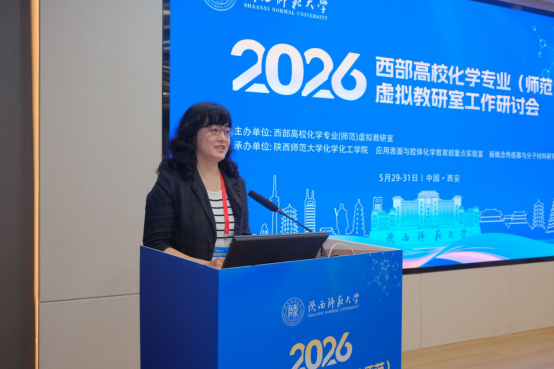
From May 30 to 31, the 2026 Workshop of the Virtual Teaching and Research Office for Chemistry (Teacher Education) in Western China Universities was successfully held. The workshop was organized by the Virtual Teaching and Research Office for Chemistry (Teacher Education) in Western China Universities, and co‑hosted by our College, the Key Laboratory of Applied Surface and Colloid Chemistry (Ministry of Education), and the Research Institute of New Concept Sensors and Molecular Materials. Experts from Xiamen University, Shandong University, Beijing Normal University, and the journal Chemical Education, together with faculty representatives from over 30 normal universities across the country that are affiliated with this virtual teaching and research office, gathered in Xi’an to explore new pathways for the development of chemistry teacher education.
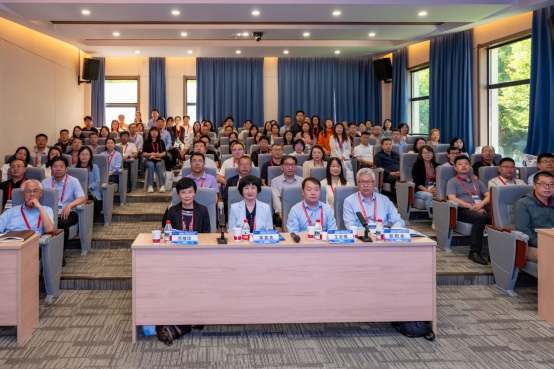
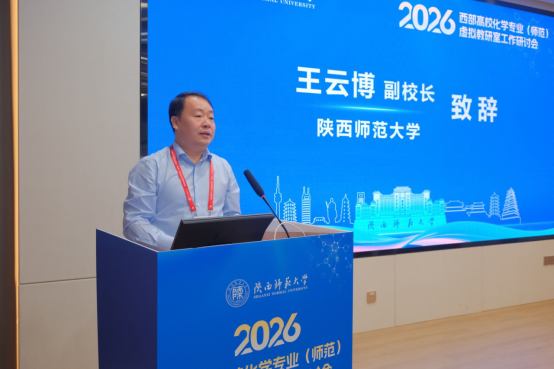
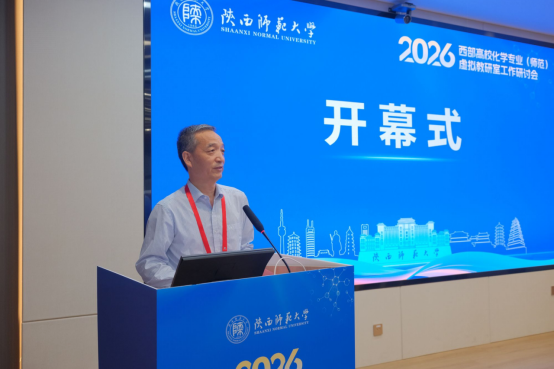
On the morning of May 30, the opening ceremony of the workshop was held in the Lecture Hall of the Research Institute of New Concept Sensors and Molecular Materials, and was presided over by Li Baoxin, Party Secretary of our College. Wang Yunbo, Vice President of our University, delivered a speech. Against the backdrop of the prevailing trends of the digital era, Wang elaborated on the intrinsic logic and developmental significance of technological, industrial, and social transformation. He highly affirmed the achievements of our School and the virtual teaching and research office in various endeavors, and extended a warm welcome to the experts and scholars present. He also expressed the hope that the participants would engage in in-depth exchanges and discussions, learn from each other's experiences and practices, and pool their efforts to contribute to the cultivation of outstanding chemistry teachers for the country.
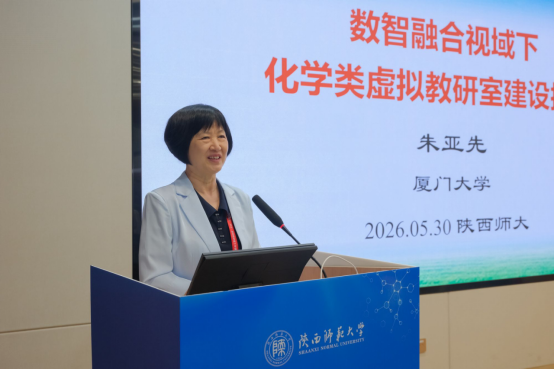
Following the opening ceremony, Professors Li Baoxin and Chen Yashao—the latter a recipient of the National Outstanding Teacher Award—successively chaired the invited expert academic presentations. Professor Zhu Yaxian from Xiamen University, who serves as Secretary‑General of the Teaching Steering Committee for Chemistry Majors in Higher Education under the Ministry of Education, delivered a talk entitled “Exploring the Construction of Virtual Teaching and Research Offices for Chemistry from the Perspective of Digital‑Intelligence Integration.” She systematically reviewed the achievements of 13 chemistry‑related virtual teaching and research offices nationwide in areas such as innovative teaching‑research models, in‑depth pedagogical studies, co‑construction of teaching resources, and faculty capacity development. Professor Zhang Shuyong from Shandong University, a member of the Steering Committee, focused on the current status of higher chemistry teacher education, offering an in‑depth analysis of the pain points and difficulties in current teacher training vis‑à‑vis secondary school chemistry teaching, and proposed targeted reform measures based on frontline practices. Professor Fan Louzhen from Beijing Normal University, a National Outstanding Teacher, presented on digital‑intelligence reforms in physical chemistry education, introducing the latest outcomes of the relevant virtual teaching and research office for normal university courses in smart classrooms and digital textbook development, and sharing practical cases of integrating machine learning into foundational laboratory teaching. Dr. Zhu Yujun, Director of the Editorial Office of the journal Chemical Education from Beijing Normal University, interpreted the development layout, objectives, tasks, and implementation pathways for chemistry teacher education in the new era from the perspective of integrated development of education, technology, and talent. He also clarified the core directions for restructuring university chemistry curricula and teacher cultivation.
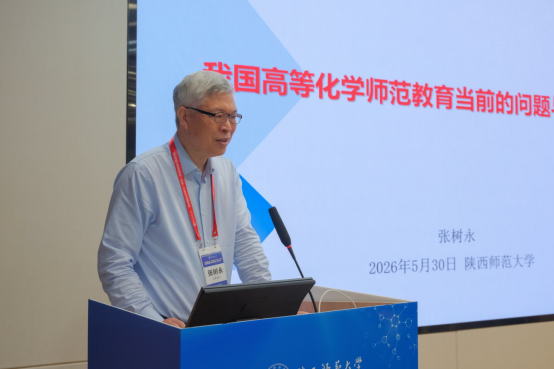
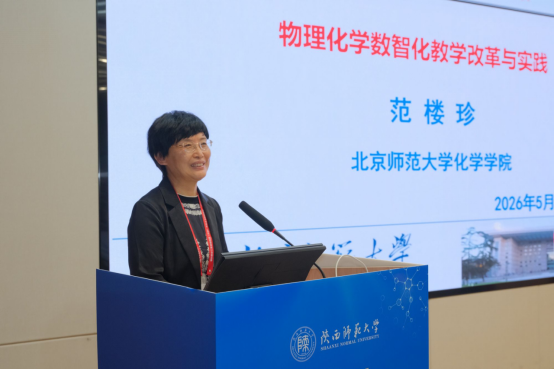
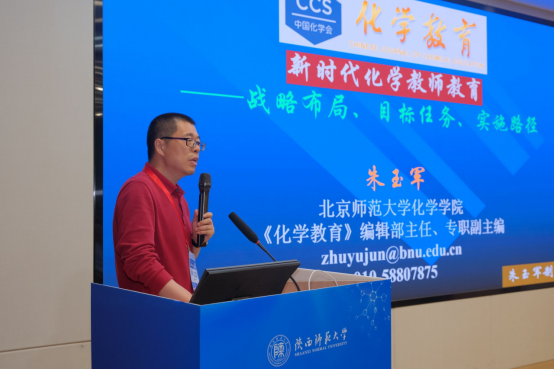
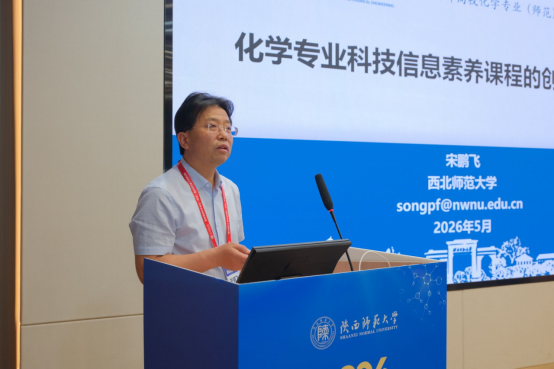
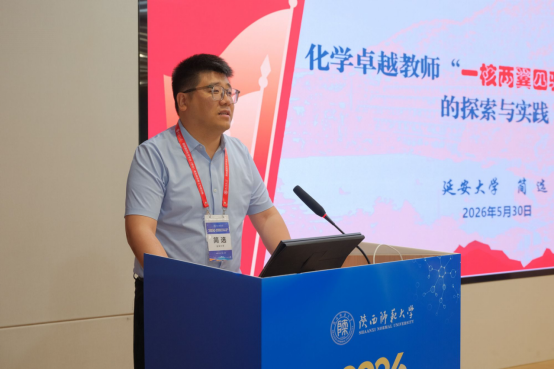
In the afternoon of the same day, Professor Ji Xiaohui from Shaanxi University of Technology and Professor Zhan Dongping from Guizhou Normal University successively chaired the invited presentations of the conference. Experts from multiple western China universities took the stage to share their teaching and research achievements. Professor Song Pengfei from Northwest Normal University, Professor Wu Xiaochun from Sichuan Normal University, Professor Guo Zhen from Qinghai Normal University, Associate Professor Dong Ling from Xinjiang Normal University, Professor Zhao Wenxia from Ningxia Normal University, and Associate Professor Jian Xuan from Yan'an University delivered special presentations on topics including the construction of scientific and technological information literacy courses for chemistry majors, digital‑intelligence‑empowered reform of inorganic chemistry experimental teaching, development of first‑class chemistry programs, innovation in the course Theory of Chemistry Subject Teaching, cultivation of grassroots‑level chemistry teacher talents, and distinctive training models for outstanding teachers.
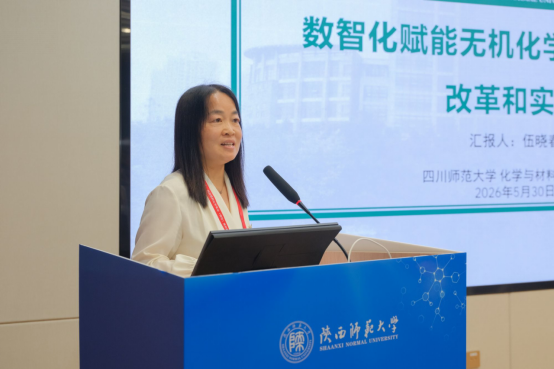
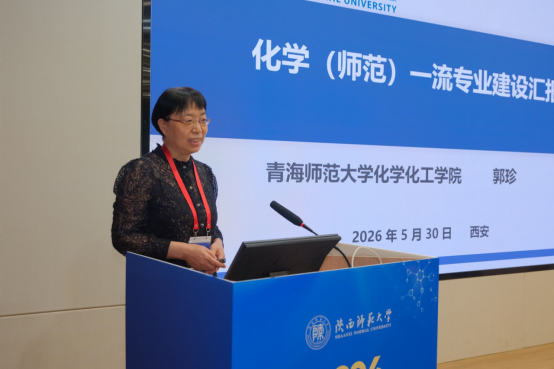
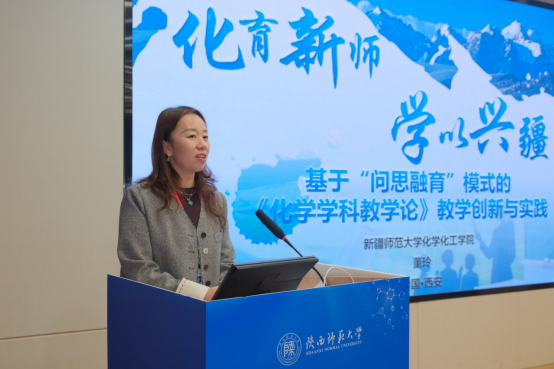
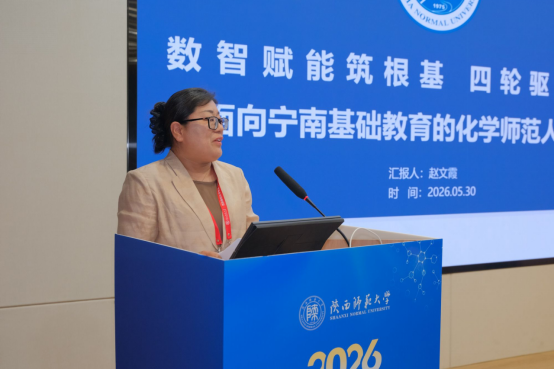
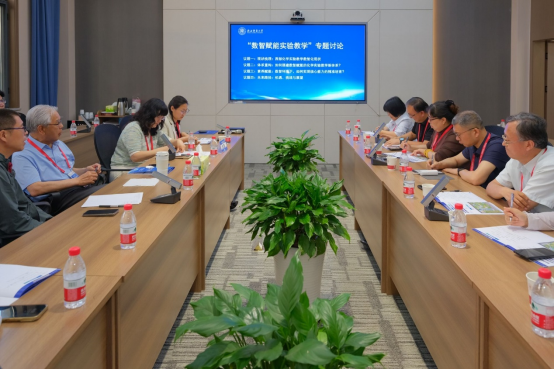
Following the special presentations, the participants engaged in group discussions centered on two major themes: digital‑intelligence‑empowered education and teaching, and digital‑intelligence‑empowered experimental teaching. Faculty members focused on practical issues such as the co‑construction and sharing of digital‑intelligent teaching resources, AI‑assisted personalized talent cultivation, the implementation and effectiveness evaluation of virtual simulation experiments, and the homogenization of smart course development. They openly shared their work challenges and exchanged practical experiences, fostering a lively atmosphere of interaction throughout the sessions.
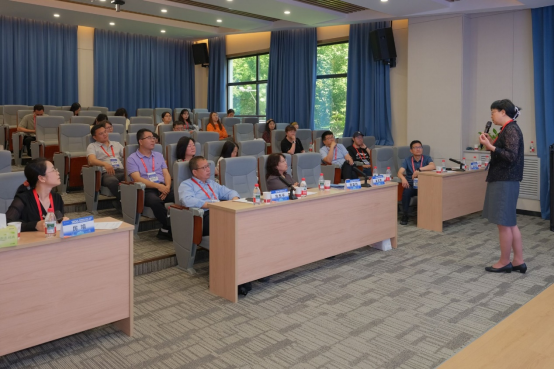
On the morning of May 31, the workshop entered its summary and exchange session, chaired by Professor Peng Haonan, Deputy Director of the Virtual Teaching and Research Office for Chemistry (Teacher Education) in Western China Universities.
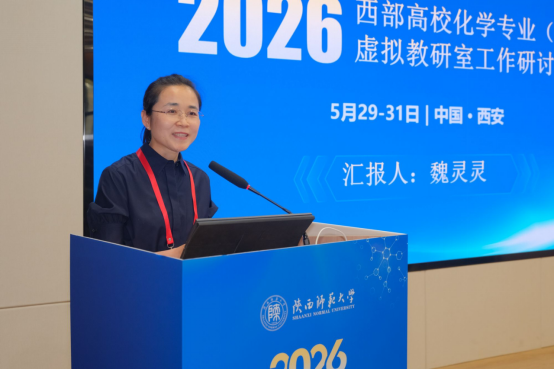
Professor Wei Lingling from our School, drawing on the trends of digital‑intelligence talent cultivation and talent development objectives, synthesized the core issues raised during the group discussions and proposed a teaching reform approach featuring the tripartite collaboration of "teacher–student–machine." Based on our university's professional curriculum map and digital classroom construction practices, she shared a replicable and scalable new model of digital‑intelligence teaching. Associate Professor Zhang Qi from our School focused on the current status of smart experimental course development in western China universities, analyzed existing bottlenecks, and constructed a transformation plan for digital‑intelligence experimental teaching based on the progressive advancement of students' core competencies. Taking our university's construction of the organic chemistry experimental course cluster as an example, he demonstrated the innovative practical outcomes of the "intelligence‑integrated progressive" experimental teaching approach.
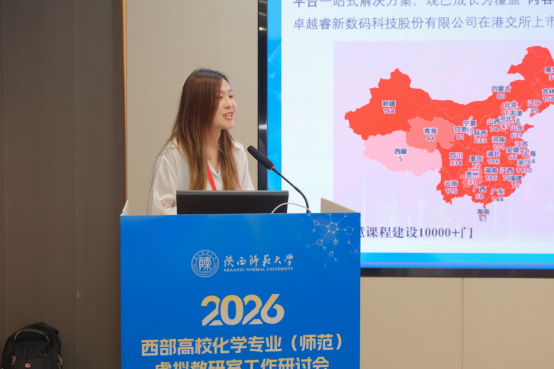
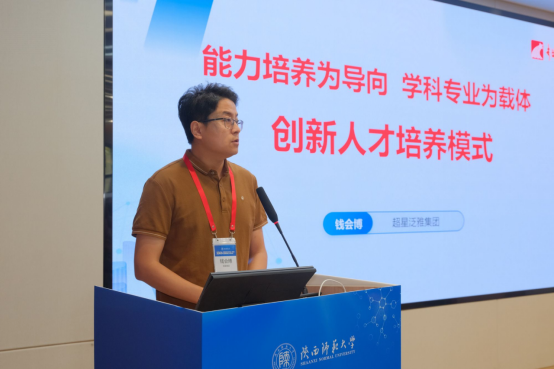
Experts from Zhihuishu Network and Chaoxing Group were also invited to share their insights. Huang Lina from Zhihuishu Network, drawing on typical cases of talent cultivation in foundational disciplines at Sun Yat‑sen University and Hunan University, introduced a smart teaching implementation plan built upon knowledge graphs, competency graphs, program graphs, and AI technologies. Qian Huibo from Chaoxing Group, oriented toward enhancing professional competencies, elaborated on new approaches for university program development in the new era. He proposed establishing a synergistic pathway connecting industry, academic programs, and employment, and leveraging AI technologies to customize personalized learning and growth plans for students.
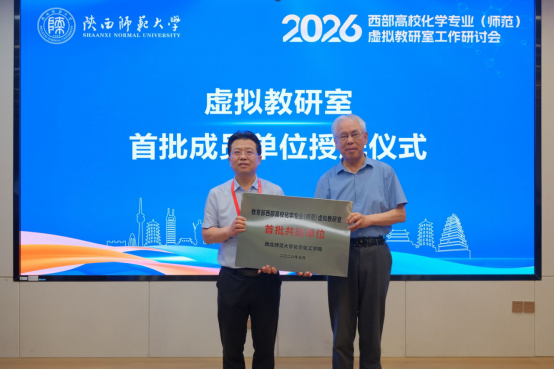
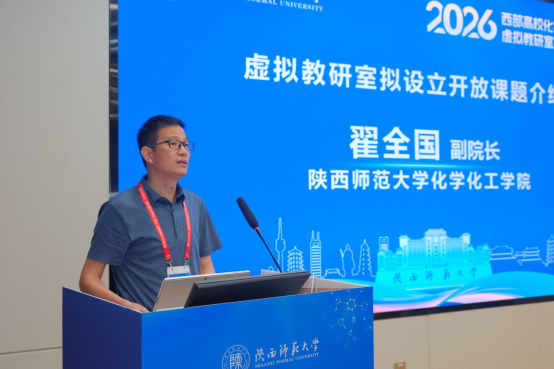
Subsequently, the conference held the plaque‑presentation ceremony for the inaugural member institutions of the Virtual Teaching and Research Office for Chemistry (Teacher Education) in Western China Universities. Professor Fang Yu, Academician of the Chinese Academy of Sciences and Director of the Virtual Teaching and Research Office, presented the plaques to the partner institutions. Zhai Quanguo, Associate Dean of our college, gave a detailed introduction on the plan for establishing open research projects under the Virtual Teaching and Research Office.
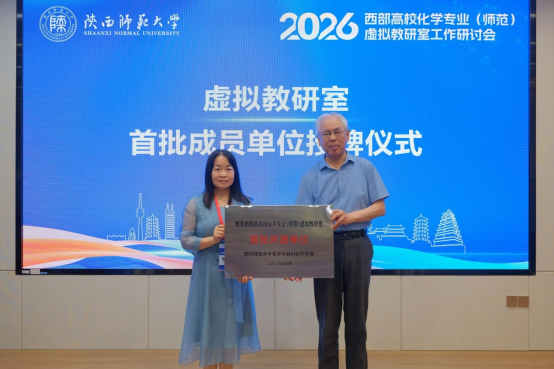
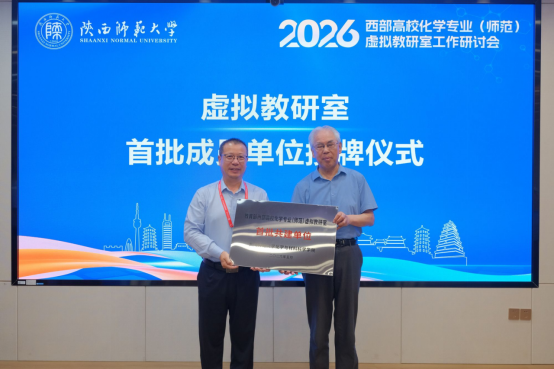
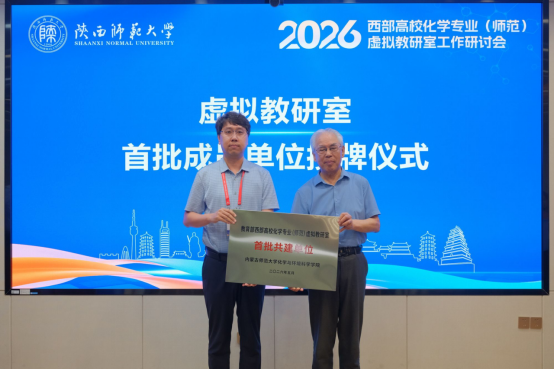
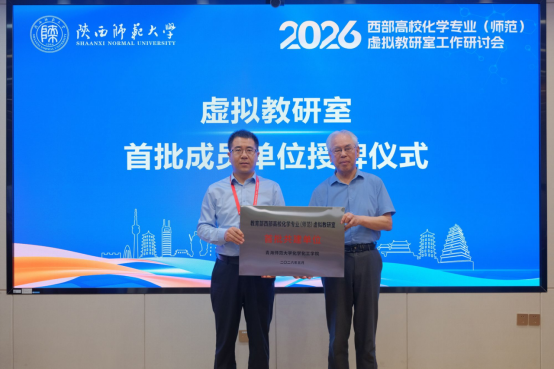
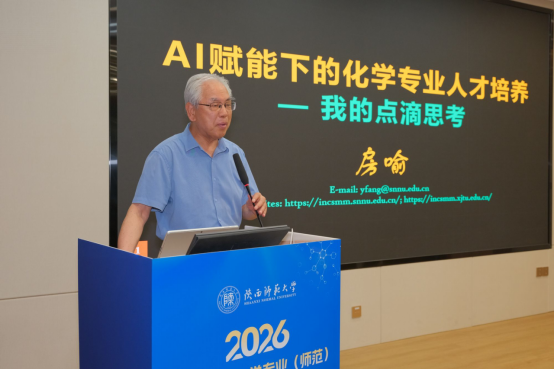
Academician Fang Yu delivered a keynote report titled "Cultivation of Chemistry Professionals Empowered by AI – My Humble Thoughts." He reviewed the driving role of successive technological revolutions in advancing human civilization, pointing out that artificial intelligence, as the core engine of the fourth technological revolution, has been deeply integrated into all fields of scientific research. He emphasized that the foundation of a nation's core competitiveness lies in talent cultivation, and the key is to nurture a favorable educational environment and foster a fine academic culture. In the era of artificial intelligence, the role of teachers needs to shift from knowledge transmitters to learning companions and value guides. We should leverage smart teaching to reduce burdens and increase efficiency, with a focus on cultivating students' autonomous learning abilities, innovative thinking, sense of national commitment, and strength of will and character.
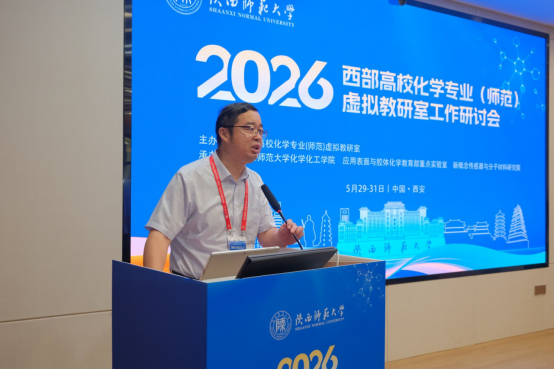
At the conclusion of the conference, Liu Chenghui, Dean of our School, once again expressed sincere gratitude to all the leading experts and representatives from partner institutions for their presence, guidance, and generous sharing. He also invited the attending guests to visit our college and the Research Institute of New Concept Sensors and Molecular Materials, including their intelligent experimental facilities and the exhibition hall of research achievements. He expressed his hope to continue deepening inter‑institutional exchanges and collaboration in the future, and to work hand in hand with all partners to promote the high‑quality development of chemistry teacher education.
This workshop has built a high-quality platform for exchange and mutual learning among western China universities in chemistry teacher education, effectively consolidated a consensus on development, and laid a solid foundation for constructing a western China chemistry teacher education community and promoting the digital‑intelligence transformation of chemistry teacher education. In the future, our college will take this workshop as an opportunity to further strengthen the substantive development of teacher‑training programs, explore new pathways for talent cultivation in the new era, and continuously inject momentum into the national endeavor of building a team of outstanding chemistry teachers.

 SNNU
SNNU
 Mobile
 中文
中文